




Blog / 2026 Chevrolet Trax

Best Chevy Vehicles for Gas Mileage in 2026

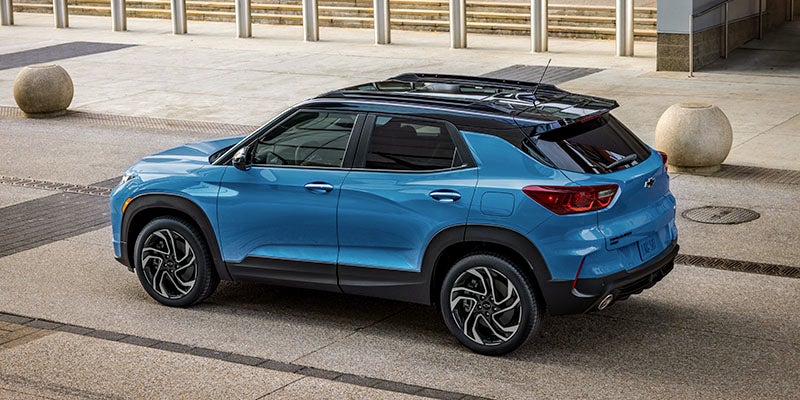
A blue Chevrolet Trailblazer is parked on a paved urban street. The vehicle has a sleek design with black trim and alloy wheels. The scene is calm and modern.

Finding a vehicle with good gas mileage is a priority for many people at Three-Way Chevrolet in Bakersfield, CA. The 2026 Chevrolet lineup has several models for drivers who want to save fuel. These options include small SUVs and electric vehicles. Drivers in Bakersfield, CA can find a car that fits their needs at Three-Way Chevrolet.

Why Fuel Economy Matters When Choosing a Chevy

Fuel economy is a key factor in the total cost of owning a vehicle. A fuel-efficient vehicle requires fewer stops at the gas station. This saves money over time. Chevrolet makes cars for many driving needs. Small SUVs often have the best gas mileage. Larger trucks focus more on power and towing.

The 2026 Chevrolet Trax: A Standout for Fuel Efficiency

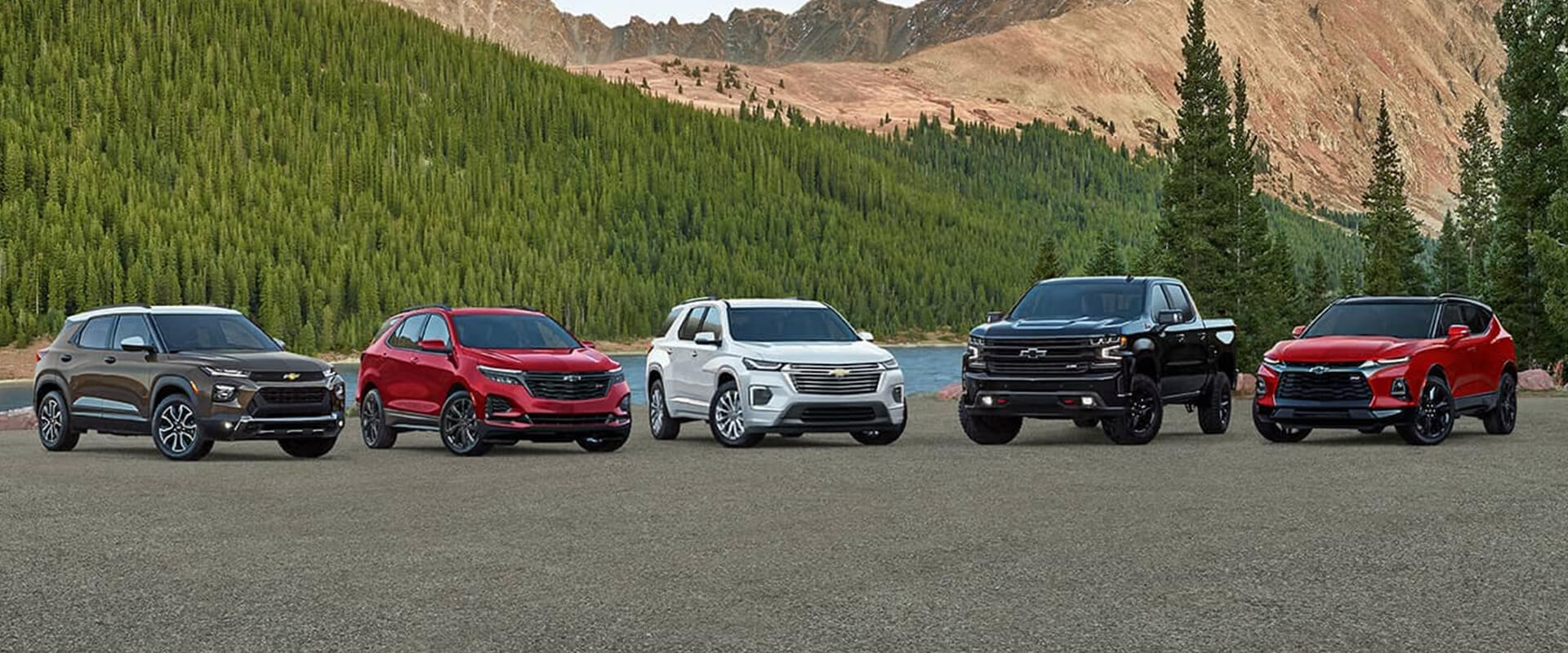
The 2026 Chevrolet Trax is a top choice for gas mileage in the SUV category. It has a 1.2 L 3-cylinder engine. This engine produces 137 hp and 162 lb-ft of torque. The Trax gets an estimated 28 mpg in the city and 32 mpg on the highway. It comes in trims like the LS, LT, and Activ. This SUV has a 11" diagonal touchscreen on most trims. It includes Apple CarPlay© and Android Auto©.

Other Efficient Chevrolet Models Worth Considering

The 2026 Chevrolet Trailblazer is another efficient small SUV. It uses a 1.2 L or 1.3 L engine. The 2026 Chevrolet Equinox is a midsize SUV with a 1.5 L engine. It provides 175 hp and uses 17" or 19" wheels. For those who want to skip the gas station, the Equinox EV is a good choice. It has a battery range of up to 319 miles. Trims for the Equinox include the LT, RS, and Activ. The interior features an 11.3" touchscreen display.

Best Chevrolet Gas Mileage Across the Truck Lineup

Chevrolet trucks also have efficient options. The 2026 Chevrolet Colorado uses a 2.7 L engine. The gas mileage depends on the engine and drive type. Models with 2-wheel drive and smaller engines usually use less fuel. This allows drivers to get work done while keeping fuel costs lower.

How to Choose the Right Efficient Chevy for Your Needs

Choosing a Chevy depends on your specific needs. The 2026 Trax is a strong choice for fuel savings. The Equinox offers more space for passengers and cargo. Electric models help avoid fuel costs entirely. You should think about your daily drive and how much space you need.

Visit Three-Way Chevrolet to Find Your Efficient Chevy

You can see these fuel-efficient cars at Three-Way Chevrolet. Our team in Bakersfield, CA can show you the 2026 lineup. You can take a test drive to find the right vehicle. Visit Three-Way Chevrolet or check our website to see what we have in stock. Finding a car with great gas mileage is easy in Bakersfield, CA at Three-Way Chevrolet.
Posted in:

Related Posts

Signpost with two arrows pointing in opposite directions: one labeled "LEASE CAR" and the other "BUY CAR," against a blue sky with clouds.

Chevrolet Buying vs Leasing: Which Option Fits Your Budget and Driving Needs?

If you're thinking about getting as new car, deciding if you're going to buy or lease is the first thing you need to decide. Both paths have advantages, and the right choice depends on how you drive, how you manage your budget, and what you value most in a vehicle. Here's a look at both options to help you decide. more What Does It Mean to Buy a Chevrolet? When you buy a Chevrolet, you're working toward full ownership of the vehicle. So, if you pay cash or finance through a lender like GM Financial, the car is yours once it's paid off. Buying typically makes sense if you plan to keep your vehicle for several years or put a lot of miles on it annually. One of the biggest advantages of buying is that there are no mileage restrictions. You also have the freedom to customize your Chevy however you like - whether that's adding accessories or making upgrades down the road. Over time, buying can also be the more cost-effective path since you're building equity in an asset. What Does It Mean to Lease a Chevrolet? Leasing is essentially a long-term rental agreement. You pay for the use of a Chevrolet over a set period - typically 24 to 36 months - and then return the vehicle or have the option to purchase it at the end of the term. Leasing is a popular choice for drivers who enjoy having access to the latest models and technology without a long-term commitment. Monthly lease payments are often lower than financing payments on the same vehicle, which can free up budget flexibility. Key Differences Between Buying and Leasing The big difference between Chevrolet buying vs leasing comes down to ownership and flexibility. When you buy, you own the vehicle outright after your loan is paid off. When you lease, you return the vehicle at the end of the term. Leases typically come with mileage limits - often 10,000 to 15,000 miles per year - and charges apply if you exceed them. Buying is generally better for high-mileage drivers or those who want to keep a vehicle long-term. Leasing tends to work well for drivers who prefer lower monthly payments, enjoy upgrading to newer models frequently, and drive a predictable number of miles each year. Which Option Is Right for You? To make the best Chevrolet buying vs leasing decision, start by honestly evaluating your driving habits and financial goals. Ask yourself how many miles you drive annually, how long you plan to keep the vehicle, and if lower monthly payments or long-term ownership matters more to you. If you love the idea of driving a new Chevy every few years with manageable payments, leasing could be the right fit. If you want a vehicle you can fully own, customize, and drive without restrictions, buying may serve you better. Either way, Chevrolet offers a strong lineup - from the versatile Trax and Trailblazer to the capable Silverado HD - to match a wide range of needs and budgets. Visit Three-Way Chevrolet to Explore Your Options No matter if you're leaning toward buying or leasing, the team at Three-Way Chevrolet is ready to help you find the right path. Serving drivers throughout Bakersfield, CA, Three-Way Chevrolet offers a full inventory of new Chevrolet models along with financing options to fit your situation. Visit Three-Way Chevrolet to browse inventory, explore current offers, and get started today.

A close-up view of a car's tachometer showing the RPM dial and a warning light that says "CHECK" illuminated in orange.

Chevy Reduced Engine Power Warning: What It Means and Why It Happens

If you've ever seen the “Engine Power Is Reduced” message appear on your dashboard, you are not alone. The Chevy Reduced Engine Power warning is a common concern among Chevrolet drivers, especially when your vehicle suddenly feels less responsive or loses acceleration while driving around Bakersfield or throughout California. While the message can be concerning, understanding what may cause it can help you know what steps to take next. If the warning continues or you need professional assistance, the service center at your local Chevrolet dealership can provide expert diagnostics to help identify the issue and get your vehicle back to performing properly. more What Is the Chevy Reduced Engine Power Warning? The Chevy Reduced Engine Power Warning is a built-in protection feature. When your vehicle's onboard system detects a problem that could damage the engine or drivetrain, it limits power output to prevent further harm. Think of it as your Chevy looking out for itself, and for you.This mode is sometimes referred to as "limp mode." Your vehicle will still operate, but performance will feel noticeably sluggish. Acceleration is restricted, and you may struggle to reach highway speeds. Common Causes of Reduced Engine Power Several issues can trigger the Chevy Reduced Engine Power Warning. Some are relatively minor, while others require prompt attention from a certified technician. A faulty throttle body or throttle position sensor is one of the most frequent culprits. If the system can't accurately read how far you're pressing the accelerator, it defaults to a safer, limited power setting. A dirty or failing mass airflow sensor can also cause the system to misread air intake levels and trigger the warning. Other common causes include a failing catalytic converter, oxygen sensor issues, a loose battery connection, or problems with the electronic throttle control system. Even a low battery charge has been known to activate this warning in some Chevy models. What Should You Do When It Appears? When you see the Chevy Reduced Engine Power Warning, the first step is to stay calm and safely reduce your speed. Avoid pushing the vehicle hard. If it's safe to do so, pull over, turn the engine off, wait a minute or two, and then restart. Sometimes the warning clears on its own if it was triggered by a temporary sensor glitch. However, if it returns, or if you notice rough idling, stalling, or the check engine light alongside it—that's a sign something more serious is going on and your vehicle needs a professional diagnosis. Don’t ignore a recurring Chevy Reduced Engine Power Warning. Driving in this condition for extended periods can cause additional wear and potentially more costly repairs down the road. And it may just be plain unsafe. When to Bring Your Vehicle In for Service If the warning comes back after restarting, or if your vehicle's performance feels off in any way, it's time to schedule a service appointment with us at Three-Way Chevrolet. A certified technician can run a diagnostic scan to pull any stored fault codes and pinpoint the exact cause. Drivers throughout Bakersfield, CA, have access to trained service professionals who understand Chevrolet systems inside and out. Chevrolet's certified service teams are equipped with the tools and knowledge to diagnose and repair the specific issue triggering the warning, whether it's a sensor replacement, a software update, or a more involved repair. Now You Know What To Do The Chevy Reduced Engine Power Warning exists to protect your vehicle, but it's not something to brush off. Whether it's a sensor issue or something more involved, getting to the root cause quickly is the smart move. If you're in the Bakersfield area and your Chevy is showing this warning, don't wait. Bring your vehicle in to Three-Way Chevrolet so a qualified technician can get you back on the road with confidence.

A technician inflating a car tire using an air compressor in a service garage.

Tire Safety Standards: What Drivers Need to Know in 2026

Tires are your vehicle's only contact with the road, yet drivers often overlook them. With updated safety guidelines approaching in 2026, now is the perfect time to understand how these changes impact you. If you drive a Chevy Silverado, Equinox, or Traverse, staying informed about tire regulations directly improves your safety. For drivers visiting Three-Way Chevrolet in Bakersfield, CA, understanding these new standards ensures your vehicle remains road-ready. Reach out to our team today to learn more. more Updated Tire Safety Standards for 2026 Regulatory bodies like the National Highway Traffic Safety Administration set standards governing tire manufacturing. Recent updates emphasize performance transparency, focusing heavily on heat resistance, load capacity, and tread wear. Manufacturers must make performance data more accessible to consumers. This transparency simplifies finding the information you need when shopping for replacements. Expanded high-speed testing protocols also verify that tires safely handle sustained highway driving. Understanding Tire Ratings The letters and numbers on your tire's sidewall detail its capabilities. The speed rating indicates the maximum safe speed, while the load index specifies weight capacity. Together, these match the right tires to your vehicle. The Uniform Tire Quality Grading system grades tires on treadwear, traction, and temperature resistance. These factors directly influence your tire's performance and longevity. What a Tire Safety Inspection Covers Routine tire inspections help avoid blowouts and unexpected wear. A thorough check assesses tread depth, pressure, sidewall condition, and wheel balance. Experts recommend replacing tires when the tread reaches 2/32". You can use a penny to check this at home. If you can see all of Lincoln's head, you need new tires. Proper tire pressure is equally vital. Improperly inflated tires wear unevenly and compromise handling. Always follow the manufacturer-recommended pressure. How Tire Age Impacts Safety Age significantly impacts safety even if a tire looks fine visually. Rubber degrades over time from heat, UV exposure, and oxidation. Manufacturers recommend replacing tires that are six to 10 years old, regardless of remaining tread. Find the manufacture date via the four-digit DOT code on the sidewall. The first two digits indicate the week, and the last two indicate the year. Chevy Tire Compatibility Chevrolet models require specific tires based on weight and intended use. A Chevy Silverado HD needs tires with a higher load index than a Chevy Trax. Matching replacement tires to your vehicle's specifications ensures optimal towing capacity and stability. Consult your owner's manual or a certified service technician before buying tires. Visit Us for a Tire Safety Inspection Staying current with tire regulations protects everyone on the road. Regular inspections ensure you catch issues before they escalate. If you need a routine check or a replacement recommendation, our team is here to help. The certified technicians at Three-Way Chevrolet in Bakersfield, CA, are ready to keep your vehicle safe. Stop by our service center today to ensure your tires meet the highest standards.